Menstrual Pain

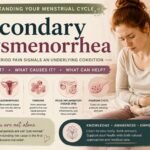
Educational infographic about secondary dysmenorrhea featuring a woman experiencing menstrual pain. The graphic explains how endometriosis, adenomyosis, uterine fibroids, ovarian cysts, and pelvic inflammatory disease can contribute to painful periods and menstrual cramps.

Understandig Your Menstrual Cycle Part 15: Secondary Dysmenorrhea Explained

 When Period Pain May Signal an Underlying Condition  In the previous article, we explored primary dysmenorrhea—the most common type of menstrual pain. We learned that primary dysmenorrhea occurs when a structurally healthy uterus produces strong contractions during menstruation. Elevated prostaglandins, reduced blood flow, temporary oxygen deprivation, and nervous system responses all contribute to the characteristic […]

Help others discover the Aviva Method.

Understandig Your Menstrual Cycle Part 15: Secondary Dysmenorrhea Explained Read More »
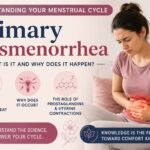
Educational infographic about primary dysmenorrhea and menstrual cramps featuring a woman holding her lower abdomen. The image explains what primary dysmenorrhea is, why period pain occurs, and the role of prostaglandins, uterine contractions, blood flow, and inflammation in painful menstruation.

Understandig Your Menstrual Cycle Part 14: Primary Dysmenorrhea Explained

Let’s talk about Menstrual Pain. Why do period cramps happen?   Many women have been told that painful periods are simply part of being female. Perhaps you have heard statements like: “Period pain is normal.” “Just take a painkiller.” “You’ll get used to it.” Yet for many women, menstrual pain is much more than a

Help others discover the Aviva Method.

Understandig Your Menstrual Cycle Part 14: Primary Dysmenorrhea Explained Read More »
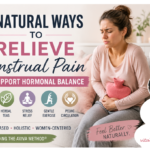
Woman holding a heating pad for period cramps beside text about natural menstrual pain relief methods including herbal teas, stress reduction, pelvic circulation exercises, and the Aviva Method® for hormonal balance and women’s health.

7 Natural Ways to Reduce Painful Periods Without Relying Only on Painkillers

Are you tired of reaching for painkillers every month?  You’re not alone. Studies show that 50–90% of menstruating women experience period pain, ranging from mild discomfort to debilitating cramps that disrupt daily life (Armor et al., 2019). The good news? Research confirms that natural approaches—especially targeted exercise like the Aviva Method—can significantly reduce menstrual pain

Help others discover the Aviva Method.

7 Natural Ways to Reduce Painful Periods Without Relying Only on Painkillers Read More »

Illustration of a woman experience more painful periods due to prostaglandins and stronger uterine contractions.

Why Period Pain Is Worse for Some Women: The Science Behind Menstrual Cramps

Why are my period cramps worse some months? You may have wondered about this. Some women go through their menstrual cycle with only mild discomfort.Others experience strong cramps that interfere with work, sleep, or daily activities. Why does the same biological process feel so different from one person to another? Menstrual pain is extremely common.

Help others discover the Aviva Method.

Why Period Pain Is Worse for Some Women: The Science Behind Menstrual Cramps Read More »

Illustration representing menstrual pain that needs relief through improved pelvic circulation, gentle Aviva Method movement, and nervous system support.

Menstrual Pain, Circulation, And Movement – An Evidence-informed Perspective

You wake up on the first morning of your period with a dull, familiar ache in your lower abdomen. As the day unfolds, the sensation may intensify and spread into the lower back, hips, or thighs. Sitting feels uncomfortable, standing offers little relief, and daily plans are quietly rearranged around the pain. If this is

Help others discover the Aviva Method.

Menstrual Pain, Circulation, And Movement – An Evidence-informed Perspective Read More »

Shopping Cart