
Az Aviva Módszer Tudományosan Alátámasztott, Bizonyítékokon Alapuló Női Egészséget Támogató Rendszer
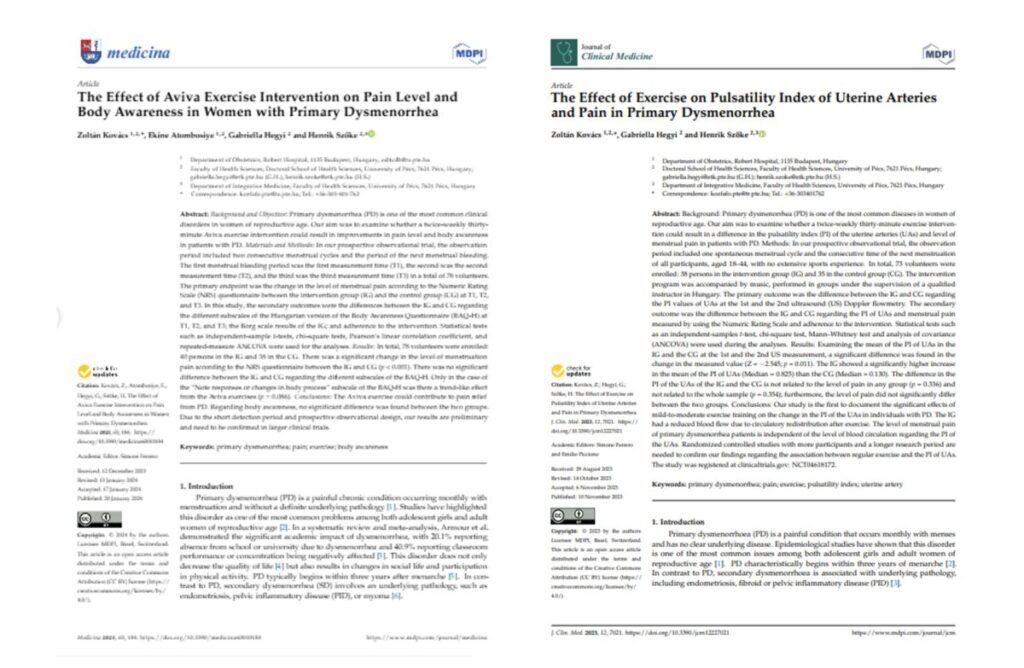
Lektorált tudományos kutatások igazolják az Aviva Módszer hatását a PMS tünetekre, a méhartéria véráramlására és a menstruációs fájdalomra.
Az Aviva Módszert egy hét éven át tartó (2019–2025) klinikai kutatássorozat vizsgálta.
Ez volt az első olyan nemzetközi orvosi vizsgálat, amely ultrahangos mérésekkel és standardizált klinikai skálákkal elemezte és igazolta a módszer élettani mechanizmusait.
A kutatás vezetője: Dr. Kovács Zoltán
(szülész-nőgyógyász és endokrinológus szakorvos)
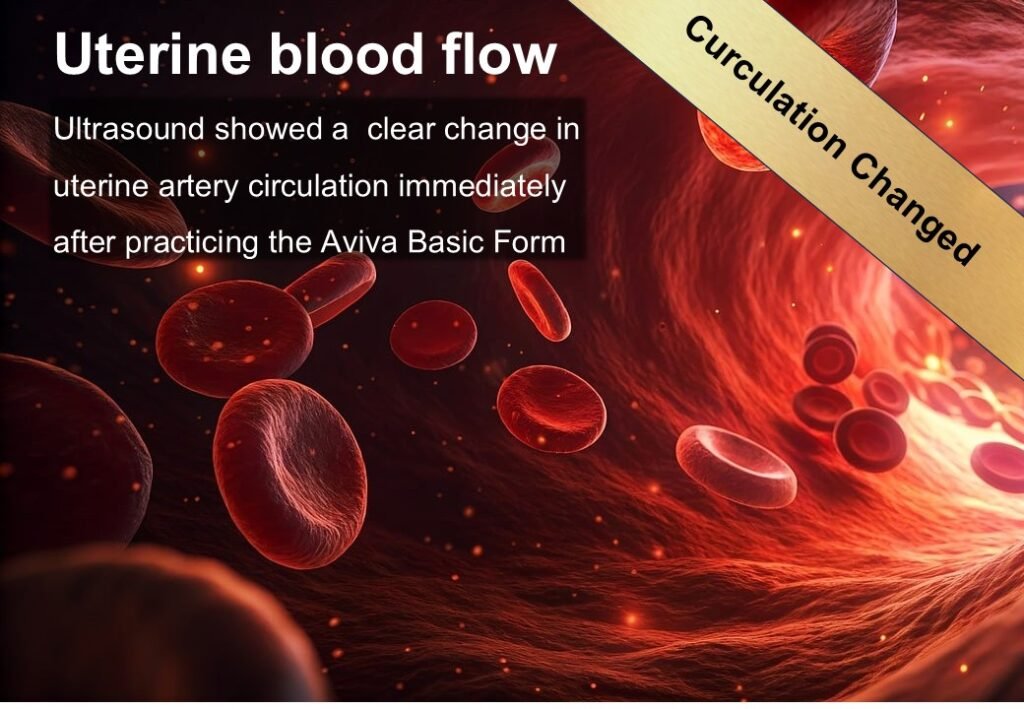
🩺 1️⃣ Az Aviva Módszer Gyakorlatai Megváltoztatják a Méhartéria Véráramlását
A vizsgálat során a résztvevők méhartériájának véráramlását két ultrahangvizsgálattal mérték:
egyet a gyakorlás előtt
egyet közvetlenül a gyakorlás után
Az eredmények kimutatták, hogy az Aviva gyakorlatokat végző csoportban szignifikáns változás történt a vérkeringésben.
A méhartériák átlagos pulzatilitási indexének (PI) változását összehasonlítva az Aviva-csoport és a kontrollcsoport között statisztikailag szignifikáns különbséget találtak:
Z = −2.545; p = 0.011
Az Aviva Módszert végző csoport esetében a pulzatilitási index medián növekedése: 0.825,
míg a kontrollcsoportnál: 0.130.
Ez az eredmény objektív, ultrahanggal mérhető élettani változást igazol.
🌸 2️⃣ Az Aviva Módszer Csökkenti a PMS Tüneteket
A vizsgálatok szerint az Aviva Módszer speciális gyakorlatai:
stabilizáló hatást gyakoroltak a PMS-hez kapcsolódó viselkedéses és érzelmi tünetekre
több résztvevőnél jelentős érzelmi tünetcsökkenést eredményeztek
átlagosan két menstruációs cikluson keresztül kerültek kiértékelésre
Az eredmények azt mutatják, hogy a rendszeres, strukturált mozgás támogatja a premenstruációs tünetek enyhülését.
🌺 3️⃣ Az Aviva Módszer Segíti a Menstruációs Fájdalom Enyhítését
Utánkövetéses vizsgálatok során két egymást követő cikluson keresztül elemezték:
a menstruációs fájdalom változását
a testtudatosság alakulását
Az eredmények szerint:
a résztvevők többsége a menstruációs fájdalom csökkenéséről számolt be
javult az önmegfigyelés és a testtudatosság
Ez arra utal, hogy a rendszeresen végzett, célzott mozgásgyakorlatok hosszú távon is támogathatják a női reproduktív egészséget.

📚 Tudományos Publikációk és Regisztrált Klinikai Vizsgálat
A kutatások eredményei megjelentek a következő lektorált orvosi folyóiratokban:
Medicina
Journal of Clinical Medicine
A vizsgálat regisztrálva lett a nemzetközi klinikai adatbázisban:
ClinicalTrials.gov
Regisztrációs szám: NCT04618172
A tanulmányok (Kovács et al., 2023; 2024; 2025) erős tudományos bizonyítékot szolgáltatnak arra, hogy az Aviva Módszer célzott mozgásrendszerként hatékonyan támogathatja a női reproduktív egészséget.
Az Aviva Módszer Gyakorlatainak Főbb Elemei
Milyen típusú gyakorlatokból áll az Aviva Módszer?
Az Aviva Módszer egy komplex, dinamikus mozgásrendszer, amely többféle edzéskategóriát ötvöz annak érdekében, hogy célzottan támogassa a kismedence egészségét, a hormonális egyensúlyt és a vérkeringést – nők és férfiak számára egyaránt.
Ez egy kb. 30 perces, saját testsúllyal végzett gyakorlatsor, amely:
jelentősen fokozza a vérkeringést
erősítő, mobilizáló és nyújtó elemeket tartalmaz
légzéstechnikát alkalmaz
táncos és reflexológiai elemeket integrál
A gyakorlatok részletes leírása Aviva Steiner eredeti könyveiben található (1999; 2009).
1️⃣ Gát- és Medencefenékizom-erősítő Gyakorlatok
Definíció:
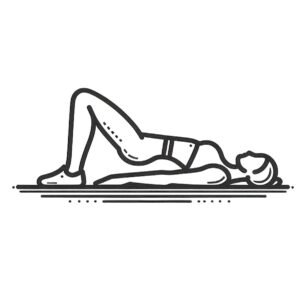
Olyan mozgások, amelyek tudatosan erősítik a medencefenék izmait – különösen a gáti izmokat – támogatva a kismedencei szervek egészségét, a vizelet- és székletkontrollt, valamint a szexuális funkciókat.
Aviva példa:
Több gyakorlat fókuszál a gáti izmok aktív összehúzására és megtartására.
2️⃣ Hormonális / Mirigyaktiváló Gyakorlatok
Definíció:
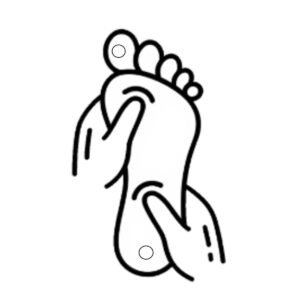
Olyan mozgások, amelyek az akupresszúrás pontok stimulálásán keresztül serkentik a hormontermelő mirigyek (pl. agyalapi mirigy, petefészek, here) működését, támogatva a hormonális egyensúlyt.
Aviva példa:
Reflexpontok nyomása és dörzsölése a hormonális szabályozás aktiválására.
3️⃣ Keringésfokozó Gyakorlatok
Definíció:
Olyan mozdulatok, amelyek fokozzák a vér- és nyirokkeringést, javítják az oxigén- és tápanyagellátást, valamint elősegítik a regenerációt és az anyagcsere-folyamatokat.
Aviva példa:
Ritmusos láblendítések és medencebillentések.
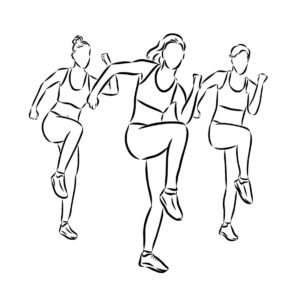
4️⃣ Alacsony Intenzitású Aerob Mozgás
Definíció:
Folyamatos, ritmikus mozgásforma, amely mérsékelten emeli a pulzust és a légzésszámot, miközben kíméli az ízületeket és javítja az állóképességet.
Aviva példa:
Ritmusos váltott nyújtások, csavarások és alsó hasi nyomó mozdulatok.
5️⃣ Funkcionális Mozgásminták
Definíció:
Természetes, hétköznapi mozgásokat utánzó gyakorlatok, amelyek koordinált végtag- és törzsmunkát igényelnek, javítva az egyensúlyt és a mozgáskontrollt.
Aviva példa:
Járás, összehangolt kar-láb mozgások, medencebillentések.
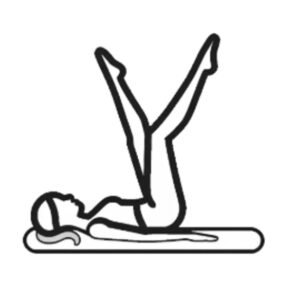
6️⃣ Core Izomaktiválás és Stabilizáció
Definíció:
A has-, ferde has- és mély hátizmok erősítése és összehangolt működtetése a testtartás javítása és a sérülések megelőzése érdekében.
Aviva példa:
Kitartások, kontrollált törzsaktiválások.
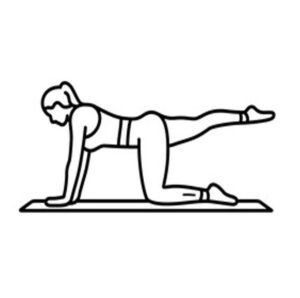
7️⃣ Saját Testsúlyos Ellenállásos Edzés
Definíció:
A test saját súlyával végzett izomerősítés, amely dinamikus izomfeszülést és izomkontrollt fejleszt.
Aviva példa:
Kitartott lábemelések, súly nélküli gáti kontrakciók.
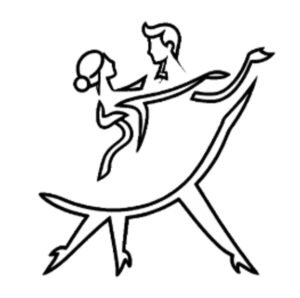
8️⃣ Táncalapú Gyakorlatok
Definíció:
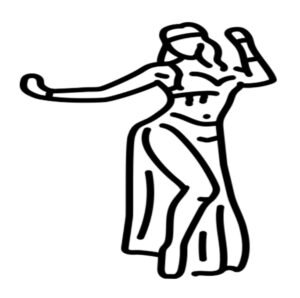
Zenére végzett, ritmusos, koordinációt fejlesztő mozdulatok, amelyek energizálják a testet és támogatják az idegrendszer működését.
Aviva példa:
Hastánc- és néptánc-inspirált mozdulatok, sarokérintések, sikló lépések.
9️⃣ Nyújtás és Mobilitás
Definíció:
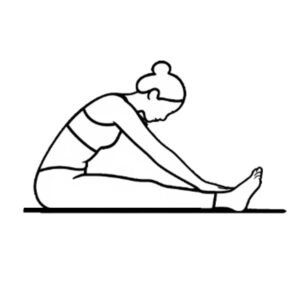
Az izmok, inak és ízületek rugalmasságát javító mozdulatok, amelyek növelik a mozgástartományt és csökkentik a sérülésveszélyt.
Aviva példa:
Lengések, csavarások, izomlazító mozdulatok.
🔟 Fascia- és Szervstimuláció
Definíció:
A kötőszövet (fascia) és a belső szerveket körülvevő rétegek stimulálása, amely támogatja a vér- és nyirokkeringést, valamint az optimális szervműködést.
Aviva példa:
Dinamikus csavarás–nyomás–elengedés váltakozása, reflexpont-masszázs.
Tudományos Megalapozottság
Az Aviva Módszer olyan mozgástípusokat integrál, amelyek önmagukban is széles körben kutatott és tudományosan alátámasztott hatásokkal rendelkeznek:
medencefenék-erősítés
kismedencei vérkeringés fokozása
hormonális stimuláció
funkcionális edzés
aerob mozgás
mobilitás és nyújtás
Mivel ezek az elemek külön-külön is bizonyítottan támogatják a reproduktív és általános egészséget, integrált alkalmazásuk az Aviva Módszert egy értékes, preventív és bizonyítékokon alapuló mozgásrendszerré teszi.
Referral Articles
- Adibi, A., Khadem, M., Mardanian, F., & Hovsepian, S. (2015). Uterine and arcuate arteries blood flow for predicting of ongoing pregnancy in in vitro fertilization. Journal of Research in Medical Sciences, 20(9), 879–884. https://doi.org/10.4103/1735-1995.170622
- Ahmad, A. M., Serry, Z. H., Abd Elghaffar, H. A., Ghazi, H. A., & El Gayar, S. L. (2023). Effects of aerobic, resistance, and combined training on thyroid function and quality of life in hypothyroidism: A randomized controlled trial. Complementary Therapies in Clinical Practice, 52, 101795. https://doi.org/10.1016/j.ctcp.2023.101795
- Akandere, M., & Demir, B. (2011). The effect of dance over depression. Collegium Antropologicum. https://www.semanticscholar.org/paper/The-effect-of-dance-over-depression.-Akandere-Demir/bcbc4f9b7c8f2a16416b92d4d6d0798c017e883a
- Assis, T., Maranhão Sá, A. C. A., Amaral, W., Batista, E. M., Formiga, C., & Conde, D. M. (2013). The effect of an exercise program to strengthen pelvic floor muscles in multiparous women. Revista Brasileira de Ginecologia e Obstetrícia. doi: 10.1590/s0100-72032013000100003.
- Atkinson, J. (2020). Stretching & Mobility: An Essential Stretching Exercise Book. Independent Publishers.
- Bahrami, F., Eftekhar, M., & Zanbagh, L. (2023). Uterine artery Doppler and endometrial blood flow in frozen embryo transfer: A cohort study. International Journal of Reproductive BioMedicine, 21(3), 205–212. https://doi.org/10.18502/ijrm.v21i3.13196
- Baird, D., Dunson, D., Hill, M., Cousins, D., & Schectman, J. (2007). Association of physical activity with development of uterine leiomyoma. American Journal of Epidemiology. https://doi.org/10.1093/AJE/KWJ363
- Banik, R. D., & Saha, T. (2023). Influence of a poor lifestyle on the development of cysts in women. Journal of Advanced Zoology, 44(S6), Article 2697. https://doi.org/10.17762/jaz.v44iS6.2697
- Benham, J. L., Yamamoto, J. M., Friedenreich, C. M., Rabi, D. M., & Sigal, R. J. (2018). Role of exercise training in polycystic ovary syndrome: A systematic review and meta-analysis. Clinical Obesity, 8(5), 275–284. https://doi.org/10.1111/cob.12258
- Benham, J., Yamamoto, J., Friedenreich, C., Rabi, D., & Sigal, R. (2018). Role of exercise training in polycystic ovary syndrome: A systematic review and meta‐analysis. Clinical Obesity. https://doi.org/10.1111/cob.12258
- Berin, E., Hammar, M., Lindblom, H., Lindh-Åstrand, L., Rubér, M., & Spetz Holm, A.-C. (2019). Resistance training for hot flushes in postmenopausal women: A randomised controlled trial. Maturitas. https://doi.org/10.1016/j.maturitas.2019.05.005
- Biernat, K., Kuciel, N., Mazurek, J., & Katarzyna. (2024). Is it possible to train the endothelium?—A narrative literature review. Life, 14(5), 616. https://doi.org/10.3390/life14050616
- Birolim, M., Souza, S.C.S., Rodrigues, R., & Mesas, A.E. (2025). The association between physical activity and uterine leiomyoma and its symptoms: A systematic review and meta‐analysis. Health Science Reports. https://doi.org/10.1002/hsr2.70487
- Bonaiuti, D., Shea, B., Iovine, R., Negrini, S., Welch, V., Kemper, H. H. C. G., Wells, G. A., Tugwell, P., & Cranney, A. (2002). Exercise for preventing and treating osteoporosis in postmenopausal women. Cochrane Database of Systematic Reviews. https://doi.org/10.1002/14651858.cd000333
- Breyley-Smith, A., Mousa, A., Teede, H. J., Johnson, N. A., & Sabag, A. (2022). The effect of exercise on cardiometabolic risk factors in women with polycystic ovary syndrome: A systematic review and meta-analysis. International Journal of Environmental Research and Public Health, 19(3), 1386. https://doi.org/10.3390/ijerph19031386
- Campbell, K. L., Westerlind, K. C., Harber, V. J., Bell, G. J., Mackey, J. R., & Courneya, K. S. (2007). Effects of aerobic exercise training on estrogen metabolism in premenopausal women: A randomized trial. Cancer Epidemiology, Biomarkers & Prevention, 16(4), 731–739. https://doi.org/10.1158/1055-9965.EPI-06-0784
- Campos, C., Sotomayor, P., Jerez, D., González, J., Schmidt, C., Schmidt, K., Banzer, W., & Godoy, A. (2018). Exercise and prostate cancer: From basic science to clinical applications. The Prostate. https://doi.org/10.1002/pros.23502
- Carr, K., & Feit, M. K. (2017). Functional Training Anatomy. Human Kinetics.
- Carrière, B. (2005). Fitness for the Pelvic Floor. Bailliere Tindall.
- Chace, C. (2004). The Journey of a Dance Therapy Teacher: Capturing the Essence of Chace. American Dance Therapy Association.
- Choudhury, F., Bernstein, L., Hodis, H. N., Stanczyk, F. Z., & Mack, W. J. (2011). Physical activity and sex hormone levels in estradiol- and placebo-treated postmenopausal women. Menopause, 18(10), 1079–1086. https://doi.org/10.1097/gme.0b013e318215f7bd
- Claes, H., & Baert, L. (1993). Pelvic floor exercise versus surgery in the treatment of impotence. British Journal of Urology. https://doi.org/10.1111/j.1464-410X.1993.tb15880.x
- Cohen, D., Gonzalez, J.R., & Goldstein, I. (2016). The role of pelvic floor muscles in male sexual dysfunction and pelvic pain. Sexual Medicine Reviews. https://doi.org/10.1016/j.sxmr.2015.10.001
- Contreras, B. (2018). Bodyweight Strength Training Anatomy. Human Kinetics.
- De Ciuceis, C., Rizzoni, D., & Palatini, P. (2023). Microcirculation and physical exercise in hypertension. Hypertension. https://doi.org/10.1161/HYPERTENSIONAHA.122.19465
- Dehnavi, Z. M., Jafarnejad, F., & Kamali, Z. (2018). The effect of aerobic exercise on primary dysmenorrhea: A clinical trial study. Journal of Education and Health Promotion, 7, Article 124. https://doi.org/10.4103/jehp.jehp_79_17
- Delavier, F., & Gundill, M. (2008). The Complete Book of Core Training. Human Kinetics.
- Dewey, K. G., Lovelady, C. A., Nommsen-Rivers, L. A., McCrory, M. A., & Lönnerdal, B. (1994). A randomized study of the effects of aerobic exercise by lactating women on breast-milk volume and composition. New England Journal of Medicine. https://doi.org/10.1056/NEJM199402173300701
- Di Stefano, J. (2019). Vital Core Training. Human Kinetics.
- Duca, Y., Calogero, A., Cannarella, R., Giacone, F., Mongioì, L., Condorelli, R., & La Vignera, S. (2019). Erectile dysfunction, physical activity and physical exercise: Recommendations for clinical practice. Andrologia. https://doi.org/10.1111/and.13264
- Encyclopædia Britannica. (n.d.). Aerobic exercise. Retrieved from https://www.britannica.com/science/aerobic-exercise
- Ennour-Idrissi, K., Maunsell, E., & Diorio, C. (2015). Effect of physical activity on sex hormones in women: A systematic review and meta-analysis of randomized controlled trials. Breast Cancer Research, 17, Article 139. https://doi.org/10.1186/s13058-015-0654-y
- Ershov, A. (2023). The impact of sports on the normal functioning of the prostate gland: A review. Consilium Medicum. https://doi.org/10.26442/20751753.2022.12.202036
- Esfahani, M. S., Berenji-Sooghe, S., Valiani, M., & Ehsanpour, S. (2015). Effect of acupressure on milk volume of breastfeeding mothers referring to selected health care centers in Tehran. Iranian Journal of Nursing and Midwifery Research. https://www.semanticscholar.org/paper/Effect-of-acupressure-on-milk-volume-of-mothers-to-Esfahani-Berenji-Sooghe/a3af7ed399248bc14ea8d34530a2c2138a86d996
- Feron, J., Rahman, F., Fosstveit, S.H., Joyce, K.E., Gilani, A., Lohne-Seiler, H., Berntsen, S., Mullinger, K.J., Segaert, K., & Lucas, S.J.E. (2024). Cerebral blood flow and arterial transit time responses to exercise training in older adults. NeuroImage, 120919. https://doi.org/10.1016/j.neuroimage.2024.120919
- Flanczewski, S., Gajek-Flanczewska, W., Walczak, A., Wirkijowski, J., Niegowska, W., Woźniak, P., Kidacki, K., Wiklińska, A., Śliwińska, M., Wójtowicz, K., Jaroń, A., & Piątkowska, K. (2024). Clinical management of constipation – The role of physical activity – systematic review. Quality in Sport. https://doi.org/10.12775/qs.2024.31.55135
- García-Sánchez, E., Rubio-Arias, J., Ávila-Gandía, V., Ramos-Campo, D., & López-Román, J. (2016). Effectiveness of pelvic floor muscle training in treating urinary incontinence in women: A current review. Actas Urológicas Españolas, 40(7), 395–401. https://pubmed.ncbi.nlm.nih.gov/26614435/
- Garcia-Sepulveda, R., Marlés, G., & López, I. F. (2021). Physical activity and home-based interventions improve quality of life, disease activity, pain, and functional capacity in autoimmune rheumatic diseases: A systematic review and meta-analysis. Clinical Rheumatology, 40(12), 4875–4885. https://doi.org/10.1007/s10067-021-06000-x
- Gaspar, A., Addamo, G., & Brandi, H. (2011). Vaginal fractional CO2 laser: A minimally invasive option for vaginal rejuvenation. https://doi.org/10.1177/074880681102800309
- Green, D.J., & Smith, K.J. (2018). Effects of exercise on vascular function, structure, and health in humans. Cold Spring Harbor Perspectives in Medicine. https://doi.org/10.1101/cshperspect.a029819
- Hadizadeh-Talasaz, Z., Sadeghi, R., & Khadivzadeh, T. (2019). Effect of pelvic floor muscle training on postpartum sexual function and quality of life: A systematic review and meta-analysis of clinical trials. Taiwanese Journal of Obstetrics and Gynecology, 58(3), 327–335. https://www.sciencedirect.com/science/article/pii/S1028455919302086
- Hassan, H. (2020). Kegels exercises: A crucial issue during woman’s lifespan. https://doi.org/10.21694/2639-3042.20001
- Havaldar, V., Jadhav, N. Y., Shinde, S. S., Mali, S. S., Mali, K. K., Mali, A. A., Shinde, R. A., & Rajput, R. (2024). A review on PCOS: Its causes, symptoms, pathogenesis and management. World Journal of Advanced Pharmaceutical and Medical Research, 7(1), 41–47. https://doi.org/10.53346/wjapmr.2024.7.1.0041
- Hayes, J. (2013). Soul and Spirit in Dance Movement Psychotherapy: A Transpersonal Approach. Jessica Kingsley Publishers.
- He, Y., Zeng, Q., Dong, S., Qin, L., Li, G., & Wang, P. (2013). Associations between uterine fibroids and lifestyles including diet, physical activity and stress: A case-control study in China. Asia Pacific Journal of Clinical Nutrition, 22(1), 109–117. https://apjcn.nhri.org.tw/server/APJCN/22/1/109.pdf
- Hong, J., & Park, Y. (2024). Microvascular function and exercise training: Functional implication of nitric oxide signaling and ion channels. Pulse. https://doi.org/10.1159/000538271
- Hsiao, W., Shrewsberry, A.B., Moses, K., Johnson, T.V., Cai, A., Stuhldreher, P., Dusseault, B.N., & Ritenour, C. (2012). Exercise is associated with better erectile function in men under 40 as evaluated by the International Index of Erectile Function. Journal of Sexual Medicine. https://doi.org/10.1111/j.1743-6109.2011.02560.x
- Huyghe, S., Verest, A., Thijssen, A., & Ombelet, W. (2018). The prognostic value of perifollicular blood flow in the outcome after assisted reproduction: A systematic review. Facts, Views & Vision in ObGyn, 9(3), 153–156. PMCID: PMC5819322
- Jedel, E., Labrie, F., Odén, A., Holm, G., Nilsson, L., Janson, P., Lind, A., Ohlsson, C., & Stener-Victorin, E. (2011). Impact of electro-acupuncture and physical exercise on hyperandrogenism and oligo/amenorrhea in women with polycystic ovary syndrome: A randomized controlled trial. American Journal of Physiology-Endocrinology and Metabolism, 300(1), E37–E45. https://journals.physiology.org/doi/full/10.1152/ajpendo.00495.2010
- Karimian, J., Khazaei, M., & Shekarchizadeh, P. (2015). Effect of resistance training on capillary density around slow and fast twitch muscle fibers in diabetic and normal rats. Asian Journal of Sports Medicine. https://doi.org/10.5812/asjsm.24040
- Karkera, S., Agard, E., & Sankova, L. (2023). The clinical manifestations of polycystic ovary syndrome (PCOS) and the treatment options. European Journal of Biology and Medical Science Research, 11(1), 57–91. https://doi.org/10.37745/ejbmsr.2013/vol11n15791
- Kenney, W. L., Wilmore, J., & Costill, D. (2015). Physiology of Sport and Exercise (6th ed.). Human Kinetics.
- Kim, H., Yoshida, H., & Suzuki, T. (2011). The effects of multidimensional exercise treatment on community-dwelling elderly Japanese women with stress, urge, and mixed urinary incontinence: A randomized controlled trial. International Journal of Nursing Studies, 48(10), 1165–1172. https://pubmed.ncbi.nlm.nih.gov/21459381/
- Klasson, C. L., Sadhir, S., & Pontzer, H. (2022). Daily physical activity is negatively associated with thyroid hormone levels, inflammation, and immune system markers among men and women in the NHANES dataset. PLOS ONE, 17(7), e0270221. https://doi.org/10.1371/journal.pone.0270221
- Kossman, D. A., Williams, N. I., Domchek, S. M., Kurzer, M. S., Stopfer, J. E., & Schmitz, K. H. (2011). Exercise lowers estrogen and progesterone levels in premenopausal women at high risk of breast cancer. Journal of Applied Physiology, 111(6), 1687–1693. https://doi.org/10.1152/japplphysiol.00319.2011
- Kovács, B.P., Balog, J., Sebők, B., Keszthelyi, M., & Várbíró, S. (2024). Unlocking female fertility with a specific reproductive exercise program: Protocol of a randomized controlled clinical trial. Life, 15(1), 18. https://doi.org/10.3390/life15010018
- Kovács, Z., Hegyi, G., & Szőke, H. (2023). The effect of exercise on pulsatility index of uterine arteries and pain in primary dysmenorrhea. Journal of Clinical Medicine, 12(22), 7021. https://doi.org/10.3390/jcm12227021
- Kovács, Z., Atombosiye, E., Hegyi, G., & Szőke, H. (2024). The effect of Aviva exercise intervention on pain level and body awareness in women with primary dysmenorrhea. Medicina (Kaunas), 60(1), 184. https://doi.org/10.3390/medicina60010184
- Kovács, Z., Nagy, A., Szabó, M., Tóth, E., & Varga, P. (2025). The effect of Aviva reproductive exercises on dysmenorrhoea, uterine artery blood flow, and body awareness: A doctoral dissertation. University of Pécs. https://pea.lib.pte.hu/bitstream/handle/pea/45604/kovacs-zoltan-dissertatio-2025.pdf?isAllowed=y&sequence=1
- Kurz, T. (2000). Stretching Scientifically: A Guide to Flexibility Training. Leisure Press.
- Latka, M., Kline, J., & Hatch, M. (1999). Exercise and spontaneous abortion of known karyotype. Epidemiology. https://doi.org/10.1097/00001648-199901000-00013
- Lauren, M. (2010). You Are Your Own Gym: The Bible of Bodyweight Exercises. Berkley.
- Liu, K. E., Motan, T., & Claman, P. (2017). No. 350-Hirsutism: Evaluation and treatment. Journal of Obstetrics and Gynaecology Canada, 39(10), 922–936. https://pubmed.ncbi.nlm.nih.gov/29080721/
- Liu, T., Chen, S., Mielke, G.I., McCarthy, A.L., & Bailey, T.G. (2022). Effects of exercise on vasomotor symptoms in menopausal women: A systematic review and meta-analysis. Climacteric. https://doi.org/10.1080/13697137.2022.2097865
- Lo Giudice, A., Asmundo, M. G., Cimino, S., Morgia, G., Cocci, A., Falcone, M., Sokolakis, I., Capogrosso, P., Morgado, A., & Russo, G. (2024). Effects of physical activity on fertility parameters: A meta-analysis of randomized controlled trials. The World Journal of Men’s Health, 42(1), 17–28. https://doi.org/10.5534/wjmh.230106
- Manni, L., Cajander, S., Lundeberg, T., Naylor, A., Aloe, L., Holmäng, A., Jonsdottir, I., & Stener-Victorin, E. (2005). Effect of exercise on ovarian morphology and expression of nerve growth factor and α1‐ and β2‐adrenergic receptors in rats with steroid‐induced polycystic ovaries. Journal of Neuroendocrinology. https://doi.org/10.1111/j.1365-2826.2005.01378.x
- Martins, C., Morgan, L., & Truby, H. (2008). A review of the effects of exercise on appetite regulation: An obesity perspective. International Journal of Obesity. https://pubmed.ncbi.nlm.nih.gov/18607378/
- Masrour, M. J., Yoonesi, L., & Aerabsheibani, H. (2019). The effect of endometrial thickness and endometrial blood flow on pregnancy outcome in intrauterine insemination cycles. Journal of Family Medicine and Primary Care, 8(9), 2845–2849. https://doi.org/10.4103/jfmpc.jfmpc_212_19
- Matsui, E. K. K. (2021). Efeitos da dança do ventre sobre a saúde genital feminina. Revista Brasileira de Fisioterapia Pélvica. https://doi.org/10.62115/rbfp.2021.1(1)116-123
- McCarthy, S. F., Tucker, J. A. L., & Hazell, T. J. (2024). Exercise‐induced appetite suppression: An update on potential mechanisms. Physiological Reports. https://doi.org/10.14814/phy2.70022
- Mennitti, C., Farina, G., Imperatore, A., De Fonzo, G., Gentile, A., La Civita, E., Carbone, G., De Simone, R. R., Di Iorio, M. R., Tinto, N., Frisso, G., D’Argenio, V., Lombardo, B., Terracciano, D., Crescioli, C., & Scudiero, O. (2024). How does physical activity modulate hormone responses? Biomolecules, 14(11), 1418. https://doi.org/10.3390/biom14111418
- Meston, C., & Gorzalka, B. (1996). Differential effects of sympathetic activation on sexual arousal in sexually dysfunctional and functional women. Journal of Abnormal Psychology. https://doi.org/10.1037//0021-843X.105.4.582
- Min, J., Cao, W., & Xu, H. (2022). Advance in effect of aerobic exercise on immune system and autoimmune diseases. International Journal of Sports Medicine, 43(4), 315–324. https://doi.org/10.1055/a-1234-5678
- Montenegro, M., Bonocher, C. M., Meola, J., Portella, R., Ribeiro-Silva, A., Brunaldi, M., Ferriani, R., & Rosa-E-Silva, J. (2018). Effect of physical exercise on endometriosis experimentally induced in rats. Reproductive Sciences. https://doi.org/10.1177/1933719118799205
- Müller, D., & Hertzer, K. (2017). Train Your Fascia, Tone Your Body. Meyer & Meyer Sport.
- Nazir, S., & Sadhu, S. (2024). Effect of Pilates on regulating menstrual cycle in females with polycystic ovarian syndrome. European Journal of Obstetrics & Gynecology and Reproductive Biology, 287, 100271. https://doi.org/10.1016/j.eurox.2023.100271
- Parisi, B., & Allen, J. (2021). Fascia Training: A Whole-System Approach. Perform Better.
- Park, S. H., Kwak, H., & Yoon, J.-H. (2019). Effects of obesity and exercise on sperm quality and function. Korean Journal of Sports Science, 30(1), 1–11. https://doi.org/10.24985/KJSS.2019.30.1.1
- Patten, R. K., Boyle, R. A., Moholdt, T., Kiel, I., Hopkins, W. G., Harrison, C. L., & Stepto, N. K. (2020). Exercise interventions in polycystic ovary syndrome: A systematic review and meta-analysis. Frontiers in Physiology, 11, 606. https://doi.org/10.3389/fphys.2020.00606
- Patten, R. K., Pascoe, M. C., Moreno-Asso, A., Boyle, R. A., Stepto, N. K., & Parker, A. G. (2021). Effectiveness of exercise interventions on mental health and health-related quality of life in women with polycystic ovary syndrome: A systematic review. BMC Public Health, 21(1), 2310. https://doi.org/10.1186/s12889-021-12280-9
- Piya-anant, M., Therasakvichya, S., Leelaphatanadit, C., & Techatrisak, K. (2003). Integrated health research program for the Thai elderly: Prevalence of genital prolapse and effectiveness of pelvic floor exercise to prevent worsening of genital prolapse in elderly women. Journal of the Medical Association of Thailand, 86(Suppl 2), S291–S297. https://pubmed.ncbi.nlm.nih.gov/12924798/
- Podolska, A., Woźniacka, A., Boba, B., Chojnacka, B., Wątor, J., Krzeszowiak, J., Ożga, A., Bryksy, S., & Pulanecki, T. (2025). The impact of lifestyle on the course of Hashimoto’s disease: The role of diet, physical activity, and stress – A literature review. QS Medical Sciences, 43, Article 61288. https://doi.org/10.12775/QS.2025.43.61288
- Ramadani, D., Zaen, N. L., & Hayati, N. (2019). Pengaruh akupresur terhadap peningkatan produksi ASI pada ibu nifas di Klinik Bersalin Trismaliah Desa Laut Dendang Kecamatan Medan Tembung Tahun 2019. https://www.semanticscholar.org/paper/Pengaruh-Akupresur-terhadap-Peningkatan-Produksi-di-Ramadani-Zaen/5173ffb97a6c6241e72eb596d36c8689b43ff6dd
- Rigal, P., Bonnet, S., Vieira, Á., Carvalhais, A., & Lopes, S. (2025). Therapeutic physical exercise for dysmenorrhea: A scoping review. Journal of Functional Morphology and Kinesiology, 10(1), Article 10. https://doi.org/10.3390/jfmk10010010
- Sabag, A., Patten, R. K., Moreno-Asso, A., Colombo, G. E., Dafauce Bouzo, X., Moran, L. J., Harrison, C., Kazemi, M., Mousa, A., Tay, C. T., Hirschberg, A. L., Redman, L. M., & Teede, H. J. (2024). Exercise in the management of polycystic ovary syndrome: A position statement from Exercise and Sports Science Australia. Journal of Science and Medicine in Sport. https://www.jsams.org/article/S1440-2440(24)00208-1/fulltext
- Salihu, D., Kwan, R., & Wong, E. (2021). The effect of dancing interventions on depression symptoms, anxiety, and stress in adults without musculoskeletal disorders: An integrative review and meta-analysis. Complementary Therapies in Clinical Practice. https://doi.org/10.1016/j.ctcp.2021.101467
- Sanchez, B. N., Kraemer, W., & Maresh, C. (2023). Premenstrual syndrome and exercise: A narrative review. Women. https://doi.org/10.3390/women3020026
- Santana, J. C. (2015). Functional Training. Human Kinetics.
- Sapolsky, R. M. (2004). Why Zebras Don’t Get Ulcers: The Acclaimed Guide to Stress, Stress-Related Diseases, and Coping. Holt Paperbacks.
- Sardana, D., Upadhyay, A. J., Deepika, K., Pranesh, G. T., & Rao, K. A. (2014). Correlation of subendometrial-endometrial blood flow assessment by two-dimensional power Doppler with pregnancy outcome in frozen-thawed embryo transfer cycles. Journal of Human Reproductive Sciences, 7(2), 130–135. https://doi.org/10.4103/0974-1208.138872
- Sea, J.C., Poon, K., & McVary, K. (2009). Review of exercise and the risk of benign prostatic hyperplasia. Physician and Sportsmedicine. https://doi.org/10.3810/psm.2009.12.1745
- Sharif, K., Watad, A., Bragazzi, N. L., Lichtbroun, M., Amital, H., & Shoenfeld, Y. (2018). Physical activity and autoimmune diseases: Get moving and manage the disease. Autoimmunity Reviews, 17, 53–72. https://doi.org/10.1016/j.autrev.2017.11.010
- Shele, G., Genkil, J., & Speelman, D. (2020). A systematic review of the effects of exercise on hormones in women with polycystic ovary syndrome. Journal of Functional Morphology and Kinesiology, 5(2), 35. https://doi.org/10.3390/jfmk5020035
- Shrestha, S. M., Costello, M. F., Sjoblom, P., McNally, G., Bennett, M., Steigrad, S. J., & Hughes, G. J. (2006). Power Doppler ultrasound assessment of follicular vascularity in the early follicular phase and its relationship with outcome of in vitro fertilization. Journal of Assisted Reproduction and Genetics, 23(4), 161–169. https://doi.org/10.1007/s10815-006-9029-1
- Smolarek-Kołecka, N., Englert-Golon, M., Okrzymowska, P., Rożek-Piechura, K., Słopień, R., & Pięta, B. (2021). Pelvic floor muscle training as a method supporting the treatment of pelvic floor dysfunctions in women. Clinical and Experimental Obstetrics & Gynecology, 48(5), 1033–1038. https://www.imrpress.com/journal/CEOG/48/5/10.31083/j.ceog4805164
- Steier, A. (1999). Az AVIVA MÓDSZER: AVIVA’S METHOD S.O.S (nem csak) nőknek (Vol. II). Budapest. ISBN: 978-963-550-738-2 / 978-963-550-740-5
- Steier, A. (2009). Az AVIVA MÓDSZER: AVIVA’S METHOD S.O.S nőknek (Vol. I). Budapest. ISBN: 978-963-550-738-2 / 978-963-550-739-9
- Sundus, H., Khan, S. A., Zaidi, S., Chhabra, C., Ahmad, I., & Khan, H. (2025). Effect of long-term exercise-based interventions on thyroid function in hypothyroidism: A systematic review and meta-analysis of randomized controlled trials. Complementary Therapies in Medicine, 75, 103196. https://doi.org/10.1016/j.ctim.2025.103196
- Tao, X., Chen, Y., Zhen, K., Ren, S., Lv, Y., & Yu, L. (2023). Effect of continuous aerobic exercise on endothelial function: A systematic review and meta-analysis of randomized controlled trials. Frontiers in Physiology: Exercise Physiology. https://doi.org/10.3389/fphys.2023.1043108
- Tian, L., Lu, C., & Teng, W. (2024). Association between physical activity and thyroid function in American adults: A survey from the NHANES database. BMC Public Health, 24, Article 1277. https://doi.org/10.1186/s12889-024-18768-4
- Tsai, C., Hsu, C.-W., Chang, C.-H., Lei, W.-T., Tseng, P.-T., & Chang, K.-V. (2024). Comparative effectiveness of different exercises for reducing pain intensity in primary dysmenorrhea: A systematic review and network meta-analysis of randomized controlled trials. Sports Medicine – Open, 10, Article 63. https://doi.org/10.1186/s40798-024-00718-4
- Vuletić, M., Kaličanin, D., Barić Žižić, A., Cvek, M., Sladić, S., Škrabić, V., Punda, A., & Boraska Perica, V. (2024). Occupational physical activity and regular exercise are inversely correlated with thyroid function in patients with Hashimoto’s thyroiditis. Diseases, 12(11), 281. https://doi.org/10.3390/diseases12110281
- Wang, W., Wang, J., Wan, F., & Yang, L. (2014). [Physical exercise improves erectile function in young and middle-aged men]. Zhonghua Nan Ke Xue = National Journal of Andrology. https://pubmed.ncbi.nlm.nih.gov/25597174/
- Wang, W.-Q., Chu, G.-H., & Hou, X.-X. (2023). A comparison of Doppler measures of ovarian blood flow between women with and without ovarian dysfunction and correlations of Doppler indices with ovarian dysfunction markers: A meta-analysis. Annals of Translational Medicine, 11(2), 110. https://doi.org/10.21037/atm-22-5813
- Watanabe, J., Furukawa, S., Yamamoto, Y., Kato, A., Kusumoto, K., Takeshita, E., Ikeda, Y., Yamamoto, N., Saeki, Y., Miyake, T., Yoshida, O., & Hiasa, Y. (2024). Exercise habits, including exercising with partners, and the prevalence of self-reported constipation in young Japanese people: A cross-sectional study. Cureus. https://doi.org/10.7759/cureus.74455
- Weng, Y., Zhang, Y., Wang, D., Wang, R., Xiang, Z., Shen, S., Wang, H., Wu, X., Wen, Y., & Wang, Y. (2023). Exercise-induced irisin improves follicular dysfunction by inhibiting IRE1α-TXNIP/ROS-NLRP3 pathway in PCOS. Journal of Ovarian Research, 16, Article 151. https://doi.org/10.1186/s13048-023-01242-x
- Wiggs, A. G., Chandler, J. K., Aktas, A., Sumner, S. J., & Stewart, D. A. (2021). The effects of diet and exercise on endogenous estrogens and subsequent breast cancer risk in postmenopausal women. Frontiers in Endocrinology, 12, Article 732255. https://doi.org/10.3389/fendo.2021.732255
- Xie, F., You, Y., Guan, C., Gu, Y., Yao, F., & Xu, J. (2022). Association between physical activity and infertility: A comprehensive systematic review and meta-analysis. Journal of Translational Medicine. https://doi.org/10.1186/s12967-022-03426-3
- Zańko, A., Pawłowski, M., & Milewski, R. (2025). The impact of physical exercise on male fertility through its association with various processes and aspects of human biology. Journal of Clinical Medicine. https://doi.org/10.3390/jcm14103442
- Zhang, S.-y., Hu, X.-q., Xiang, C., Xiang, T., Guo, S.-x., Zhi, F.-h., Zhao, P., Zhu, J.-y., & Zhang, C.-y. (2024). Physical activity affects dysthyreosis by thyroid hormones sensitivity: A population-based study. Frontiers in Endocrinology, 15, 1418766. https://doi.org/10.3389/fendo.2024.1418766
- Zhang, X., & Tian, J. (2024). The anti-inflammatory effects of exercise on autoimmune diseases: A 20-year systematic review. Journal of Sport and Health Science, 13(3), 353–367. https://doi.org/10.1016/j.jshs.2024.02.002
- Zouhal, H., Jayavel, A., Parasuraman, K., Hayes, L. D., Tourny, C., Rhibi, F., Laher, I., Ben Abderrahman, A., & Hackney, A. C. (2021). Effects of exercise training on anabolic and catabolic hormones with advanced age: A systematic review. Sports Medicine. https://doi.org/10.1007/s40279-021-01612-9
Referral Articles of the Textbook
- Havi ösztrogén és gasztogén injekció, mint fogamzásgátló eszköz. J. Sofer. A. Caspi, H. Hirsh, Nőgyógyászati és szülészeti osztály, Assaf Ha- rafe Kórház Tzrifin, és az Orvostudományi Iskola Tel Aviv-Jaffa.Journal of the Israel Medical Association, Vol. LXXXVI, No. 6. p. 303. March 15, 1974. Injekció a ciklus 8. napján. Ez a módszer megrövidíti a ciklust és meghosz- szabbítja a menzesz napjait, a fájdalmat és a vérzést 18 napig.
- Születési hibák és a fogamzásgátló tabletta. Nora & A. Nora, Lancet, Vol. 1, p. 941, 1973. A nők nem tudják, hogy várandósak, és folytatják a tabletta szedését – a gyerek szívrendellenességgel születhet. Vol. LXXXV, No. 8, p. 390, Oct. 15, 1973.
- Vetétés okozása 23 prosztaglandin injekció által a magzatvízbe vagy csak 22 (ve) prosztaglandin önmagában.J. Craft, Lancet, Vol. 1, p. 1344, 1973. Harefuah Vol. LXXXV, No. 6, Sept. 16, 1973.
- Vérszegénység és sokk a magzatban, embrió anyai vérátömlesztés eredmé- nyeként. B. Melbaear, A. Tonnenbaum, S. Swirskifein, Koraszülött és Újszülött osztály, Városi Kormányi Orvosi Központ, Tel Aviv-Jaffa. Harefuah, Vol. LXXXV, No. 4, p. 185, Aug. 15, 1973.
- A nő táplálkozása és ennek hatása a fogamzási képességre. Harefuah, Vol. LXXXV, No. 3, p. 152, Aug. 1, 1973. A fogamzóképesség fokozódik a hemoglobin fokozásával. Chavez & Martinez, Nufrit. Rep. Internal. Vol. 7, p. 1, 1973.
- Prosztaglandin F2 injekció a magzatvízbe, mesterséges vetélés elérése ér- dekében.* W. Brenner et al., Amer. J. Obst. Gynec., Vol. 114, p. 781, 1972. Harefuah, Vol. LXXXIV, No. 9, p. 516, May 1, 1973. 1978 P. G. tampon forgalombahozása, önvetélésre, havonta egyszeri hasz- nálatra. Prosztaglandin proszterior kúpok. Nők használják 1972 óta, kizárólag nemi érintkezés után, nem minden nap.
- Ovuláció meghozása Tamoxifen általdou J. Williamson & J. Ellis. Obst. Gynec. Brit, Vol. 80, p. 844, 1973. Harefuah, Vol. LXXXVI, No. 1, p. 49, Jan. 1, 1974. Kezdik 1 dózis adásával a ciklus 2. napján, négy folyamatos napon át
- Gyerekek és várandós nők sugárzási problémái G. Dingino & L. Nisco, JAMA, Vol. 223, p. 171, 197, Harefuah, Vol. LXXXV, No. 7, p. 336, Oct. 1, 1973. Sugárzások vetélést okoznak, ezért mesterséges vetélés helyes olyan bete- gek esetében, mint Hodgkin kór
- A prolaktinés feladata a reprodukciós rendszerben. Dr. G. Shenkar, M. Ben-David, Z. Polishuk The role of prolactin in reproduction. Harefuah, Vol. LXXXXXIV, No. 7, p. 333, Oct. 1, 1975. A prolaktin hatása a hipotalamuszra, pszichológiai tényezők: lelki feszültség mütés altatás, nem érintkezésben megerőltetés, a mellbimbó mechanikus izgatása, a prolaktin hatása a petefészekre.
- A fogamzásgátló tabletták és vitaminok Dr. H. Cohen. Harefuah Vol. LXXXIV, No. 7, p. 336, Oct. 1, 1975. Metabolikus változások 2-10 év után (kb. 50 változás)
- Korai menstruáció szexuális emocionális háttérrel. Prof. N. Soferman, M. Hay- mov. Genikológiai és Szülészeti Osztály Városi, Allami Orvosi Központ Tel Aviv-Jaffa. Tel Avivi Orvosi Főiskola Harefuah 1963, 54, 64. Igazgatóság. Prof. Soferman, Harefuah, Vol. LXXXVI, No. 6, March 15, 1974.
- Spontán vetélés utáni családtervezési tanácsadás M.P. David, A. Bauman, R. Klair, Ginekológiai osztály Hadassah Orvosi Egyetemi Fóiskola, Jeruzsálem. Harefuah, Vol. LXXXVI, No. 6, March 15, 1974.
- Vérzés menopauza időszakában zsidó nőknél. A. Adoni, B. Berkovici, Nőgyógyászati Osztály Hadassah Egyetemi Orvosi Fiskola, Jeruzsálem. Prof. Brumberger, Prof. Bezsinszky 20 évvel korábbi dolgozatai alapján. Harefuah, Vol. LXXXV1, No. 6, March 15, 1974.
- Novak & Novak. Mechanism of Menstruation. Textbook of Gynecology, 4th edition, 1952. Ch. 6: The unavulatory cycle in women; Ch. 33: Backache in women; Ch. 39: Dysmenorrhea; Ch. 4: Physiology and endocrinology of menstruation. (Vasoconstriction)
- Markee J.E. Menstruation in intraocular endometrial transplants in the rhesus monkey. Publ. No. 518, Carnegie Institute of Washington, Aug. 15, 1940. Morphological basis for menstrual bleeding. Arat. Rec. 1946; 94:481.
- Posture and Dysmenorrhea. Miller NF and Krebchmare NR. Davis Obstetrics and Gynecology. Vol. III, Chap. 12, W.F. Prior Ca. Haggertown, Md. 1940.
- A. Chavez-Martinez. Nutrition of the Woman and its Failures. Professor Soferman. A Posture and Dysmenorrhea. Backache, Vol. 3, Ch. 13, 1940.
- Miller NF, Goodlin RC, Keller DW, Raffin M. Orgasm during late pregnancy. Possible deleterious effects. Obst. Cyn. Vol. 38, No. 6, p. 416.
- Vaginal tubal ligation at the time of curettage for abortion. Obst. Gyn. Vol. 38, No. 6, DCc. 1971.
- If exercise can diminish periods can it also increase them? New England Journal of Medicine. Also Shap”. Oct. 1985. Jane Patterson M. D. Gyneco- logist
- Winternitz W. Kentucky. Physical excrcises in internal medicine: endocrinal aspects.
- Sutton JR, Young JD, Lazarus L, Hickie JB, Maksvytis J. The hormonal response to physical exercise. Australia Ann. of Med. 18:84-90, 1969. 23. Raymond LW, Sode J. Tucci JR. Adrenocortical response to non-exhaustive muscular exercise. Acta Endocrinologica (Khb) 70:73-80, 1972.
- Sutton JR, Coleman JJ, Casey J, Lazarus L. Androgen responses during physical exercise. Brit. Med. J. 1:520-522, Mar. 3, 1973.
- Noel GH, Suh HK, Stone JG, Frantz AG. Prolactin and HGH release during surgery and other conditions of stress. J. Clin. Endo. 35:840, 1972.
- Roth J, Glick SM, Yallow RS, Berson SH. HGH response to exercise, male vs female-response to estrogen. Metab. 12:577, 1963.
- Hansen AP. Abnormal serum growth hormone response to exercise in maturity onset diabetes. Diabetes 22:619-628, Aug. 1973.
- Winder WW, Heninger RW. Effect of exercise on degradation of thyroxine in the rat. Am. J. Physiol. 224:572-575, Mar. 1973.
- Terjung R, Tipton CM. Plasma thyroxine and thyroid-stimulating hormone le- vels during submaximal exercise in humans. Am. J. Physiol. 220:1840-1845. Junc, 1971.
- Viru A, Korge P. Metabolic processes and adrenocortical activity during ma- rathon races. Int. A. Angew Physiol. 29:173-183, 1971.
- Hartley LH, Mason JW, Hogan RP, Jones LC, Kotchen TA, Mongey EH, Wherry FE, Pennington LL, Ricketts PT. Multiple hormonal responses to grad- ed exercise in relation to physical training. J. Appl. Physiol. 33.602-606,1972.
- Felig P, Wahren J, Hendler R, Ahlborg C. Plasma glucagen levels in exercising man. N. Engl. J. Med. 287:184-185, July 1972.
- Goldstein MS, Mullick V, Huddlestun B, Levine R. Action of muscular work on transfer of sugars across cell barriers: comparison with action of insulin. Am. J. Physiol. 173.212-216, 1953.
- Cochran BJ, Marbach EP, Poncher R, Steinberg T, Gwinup G. Effect of acute muscular exercise on serum immunoreactive insulin concentration. Diabetes 15:838-841, Nov. 1966.
- Sanders CA, Levinson GE, Abelmann WH, Freinkel N. Effect of exercise on the peripheral utilization of glucose in man. N. Engl. J. Med. 271:220-225, July 1964.
- Saltin B. Physiological effects of physical conditioning. Med. and Sci. in Sports 1:50-56, March 1969.
- Havel R. Muscle metabolism during exercise. Pernow B, Saltin B. eds, Vol. 2. p. 315. Plenum Press New York, 1971.
- Johnson RH, Walton JL, Krebs HA, Williamson DH. Metabolic fuels during and after severe exercise in athletes and non-athletes. Lancet, pp. 452-455, Aug. 1969.
- Sims EA, Horton ES. Endocrine and metabolic adaption to obesity and starvation. Am. J. Clin. Nutr. 21:1455-1470, Dec. 1968.
- Morgan HE, Cobb LA, Short FA, Ross R, Gunn DP. Effect of long-term exercise on human muscle mitochondria. In: Pernow B, Saltin B. eds, Muscle Metabolism During Exercise, Vol. 2, pp. 87-95. Plenum Press: New York, 1971.
- Gollnick PD. Ultra structural and enzyme changes in muscles with exercise. In: Pernow B, Saltin B, eds, Muscle Metabolism During Exercise, Vol, 2, p. 69. Plenum Press New York, 1971.
- Bjorntorp P, DeJounge K, Sjostrom L, Sullivan L. The effect of physical training on insulin production in obesity. Metab. 19:6, Aug. 1970.
- Bjorntorp P. et al. The effect of physical training and acute physical work on plasma insulin in obesity. Europ. J. Clin. Invest. 2:274, 1972.
- Fahey TD, Rolph R, Moungmee P, Nagel J, Mortara S. Serum testosterone, body composition and strength of young adults. Med. and Sci. in Sports 1:31- 34, 1976.
- Heller CG, Moore DJ, Paulsen AC, Nelson OW, Laidlaw WM. Effects of pro- gesterone and synthetic progestins on the reproductive physiology of normal men. Progesterone and Synthetic Progestins, 1959, 1057.
- Lamb DR. Androgens and exercise. Med. and Sci. in Sports 1:1-5, 1975 47. Papanicolaou CN, Falk EA. General muscular-hypertrophy induced by and- rogenic hormone. 87:238-239, 1938.
- Percy EC. Ergogenic aids in athletics. Med. and Sci. in Sports 4:298-303, 1978.
- Wade N. Anabolic steroids: doctors denounce them, but athletes aren’t liste ning. Science 176:1399-1401, 1972.
- Strauzenberg SE. Sport in Old Age: Advantages and Risks. J. Sports Med. Phys. Fitness, 21:309-321, 1981.
- Edelstein B. The Woman Doctor’s Diet for Women. (The only alternative to eating less is more sustained exercise).
- Seyfourth H. Relax and Be Healthy. Oslo, 1965
- Abrahamson EM. Body, Mind and Sugar, 1951. 54. Pal I. Introducting Endocrinology, 1966.
- Gardiner D. The Principles of Exercise Therapy.
- Assadi, L. ABC to Marriage, 1974.
- Yudkin J. This Slimming Business, 1970.
- Mackarness R. Not All in the Mind!
- Adams R. Low Blood Sugar Making You a Nutritional Cripple?
- Davis F. The Low Blood Sugar Book.
- Selye J. Stress Without Distress, 1976.
- Ferenc K. Nutrition and Health. Platon, p. 151.
- Galanece. Preventive Medicine, p. 192.
- Storer TI. General Zoology (parasitology), 1943.
- Scheimann E. Sex can Save Your Heart and Life, 1974.
- Dely K. Jóga, 1971.
- Halcourt R. Women’s Bodies, Women’s Lives.
- Selye J. The Stress of Life, 1956.
- Selye J. From Dream to Discovery, 1980.
- Alain. Joga, 1957.
- Malbs M. Psycho-Cybernetics, 1969.
- Wells HG. You Can’t be Too Careful. 73. Shaw GB. (Cashel Byron’s profession). 74. More T. Utopia, 1785-1535. 75. Malthus R. Essay on Population, 1837. 76. Huxley A. Brave New World, 1932.
- Cooper K. The New Aerobics, 1970. 78. Morehouse L. Total Fitness, 1975.
- Birren F. Light Colour and the Environment, 1969.
- Birren F. Colour and Human Response, 1978.
- Palen D. Diet Away Your Stress, Tension and Anxiety.
- Laing RD. Extension: Sanity, Madness and the Family.
- Mann T. Die Vertauschten Köpfe.
- Shaw BG. The Doctor’s Dilemma, 1906.
- Dr. Víg Béla. Jóga és tudomány. 1972.
- Jóga és az idegháztartás. 1979.
- Dr. Péterfi István. A növény fiziológiája. 1977. A vernelizáció fejezete.
- Hendi Fóber. A savak magatartása és környezete. 1910.
- Albin Topler. A jövő sokkja 1970. (versenyhelyzetek és megerőltető munkák alapvetően megváltoztatják a hormonháztartást)
- Ander Szusi: Az egészség világa.
- L. Ron Hubbard: Dianetika 1930.
- Flora Davis: Az állatok nyelve 1978.
- Elijahu Kari: A vitaminok, mint fékezők a betegségek ellen. 1968.
- Dand G. Liger: Akik az élettel játszanak.
- Yesudian: Jóga és egészség. 1979.
- Zora Rubin Izidor: A hatvan éves koron túli nemi élet.
A Relaxáció Szerepe az Aviva Gyakorlatok Hatásának Fokozásában
A krónikus stressz felborítja a szervezet hormonális egyensúlyát azáltal, hogy túlaktiválja a hipotalamusz–hipofízis–mellékvese (HPA) tengelyt, ami tartósan emelkedett kortizolszinthez vezet.
A megemelkedett kortizolszint:
gátolhatja a reproduktív hormonok termelődését
megzavarhatja a menstruációs ciklust
csökkentheti a termékenységet
negatívan befolyásolhatja a petefészek működését
hozzájárulhat hormonális egyensúlyzavarok kialakulásához
- Abbott, R. A., Whear, R., Rodgers, L. R., Bethel, A., & Kuyken, W. (2014). Effectiveness of mindfulness-based stress reduction and mindfulness-based cognitive therapy on mental health of adults with chronic disease: A meta-analysis. Journal of Psychosomatic Research, 78(6), 519–528.
- Abera, M., Hanlon, C., Daniel, B., Tesfaye, M., & Workicho, A. (2024). Effects of relaxation interventions during pregnancy on maternal mental health and pregnancy outcomes: A systematic review and meta-analysis. PLOS ONE, 19(1): e0278432..
- Calderone, A. (2025). Effectiveness of relaxation techniques for stress in cardiovascular disease and hypertension: A systematic review. International Journal of Behavioral Medicine, [forthcoming].
- Chida, Y., & Steptoe, A. (2008). Positive psychological well-being and mortality: A quantitative review of prospective observational studies. Psychosomatic Medicine, 70(7), 741–756. https://doi.org/10.1097/PSY.0b013e31818105ba
- Diener, E., & Chan, M. Y. (2011). Happy people live longer: Subjective well-being contributes to health and longevity. Applied Psychology: Health and Well-Being, 3(1), 1–43. https://doi.org/10.1111/j.1758-0854.2010.01045.x
- Domes, G., et al. (2024). Gonads under stress: A systematic review and meta-analysis. [Journal].
- Fisch, S., et al. (2020). Group hypnosis for stress reduction and improved stress coping: A randomized controlled multicenter trial. BMC Complementary Medicine and Therapies, 20, Article 329.
- Hamdani, S. U., Zafar, Z. W., Suleman, N., Waqas, A., & Rahman, A. (2022). Effectiveness of relaxation techniques ‘as an active ingredient of psychological interventions’ to reduce distress, anxiety and depression in adolescents: A systematic review and meta-analysis. International Journal of Mental Health Systems, 16, Article 31.
- Howell, R. T., Kern, M. L., & Lyubomirsky, S. (2007). Health benefits: Meta-analytically determining the impact of well-being on objective health outcomes. Health Psychology Review, 1(1), 83–136. https://doi.org/10.1080/17437190701492486
- Hu, Y., et al. (2024). Impact of psychological stress on ovarian function. International Journal of Molecular Medicine.
- Karrasch, S. et al. (2022). The effects of a single relaxation hypnosis session on stress-related symptoms in chronically stressed individuals. Multidisciplinary Journal of Stress Research, Journal of Psychosomatic Practice (or similar).
- Karunyam, B. V., et al. (2023). Infertility and cortisol: A systematic review. Frontiers in Endocrinology, 14, Article 1147306.
- Khir, S. M., et al. (2024). Efficacy of progressive muscle relaxation in adults for stress, anxiety, and depression: A systematic review. Psychology Research and Behavior Management.
- Lamers, S. M. A., Bolier, L., Westerhof, G. J., Smit, F., & Bohlmeijer, E. T. (2011). The impact of emotional well-being on long-term recovery and survival in physical illness: A meta-analysis. Journal of Behavioral Medicine, 35(5), 538–547. https://doi.org/10.1007/s10865-011-9379-8
- Leo, D. G., et al. (2024). Focus on my voice: Hypnosis in the treatment of anxiety and emotional stress and its potential effects on cardiovascular health. Frontiers in Psychology, 15.
- Manzoni, G. M., Pagnini, F., Castelli, L., & Molinari, E. (2008). Relaxation training for anxiety: A ten-years systematic review with meta-analysis. BMC Psychiatry, 8, Article 41.
- Nakamura, K., & Brown, P. (2008). Stress and reproductive failure: Past notions, present evidence. Annals of the New York Academy of Sciences, 1135, 129–131.
- Olendzki, N., et al. (2020). Mindful hypnotherapy to reduce stress and increase mindfulness: A feasibility study. International Journal of Clinical and Experimental Hypnosis, 68(4), 433–452.
- Pressman, S. D., & Cohen, S. (2005). Does positive affect influence health? Psychological Bulletin, 131(6), 925–971. https://doi.org/10.1037/0033-2909.131.6.925
- Ranabir, S., & Reetu, K. (2011). Stress and hormones: A review. Indian Journal of Endocrinology and Metabolism, 15(1), 18–25.
- Rosendahl, J. et al. (2023). Meta-analytic evidence on the efficacy of hypnosis for mental and somatic health issues: A 20-year perspective. Frontiers in Psychology, 14, 1330238.
- Saadedine, M., et al. (2025). The silent pandemic of stress: impact on menstrual cycle and reproductive function. Journal of Clinical Endocrinology & Metabolism.
- Schliep, K. C., Mumford, S. L., Pets, A., Zirpoli, G., Chen, Z., & Perkins, N. J. (2015). Perceived stress, reproductive hormones, and ovulatory function. Paediatric and Perinatal Epidemiology, 29(3), 216–224.
- Valentine, K. E., Milling, L. S., Clark, L. J., & Moriarty, C. L. (2019). The efficacy of hypnosis as a treatment for anxiety: A meta-analysis. The International Journal of Clinical and Experimental Hypnosis, 67(3), 125–144.
- Vigil, P., et al. (2022). Chronic stress and ovulatory dysfunction: Implications in women’s health. Frontiers in Global Women’s Health, 3, Article 866104.